What crocodile skin teaches robot touch sensors
Crocodilian skin domes sense a 0.08 mN touch through armour. Here is what that biology means for robot skin, and what has actually been built.
Biomechanics · artificial muscles
PAM Robotics is developing a soft actuator, a pressurised tube and its valve, that can drive every joint of a robot. Because animals are built from the same few parts (muscle, tendon and bone, arranged differently), the same actuator should carry over from a human hand to a bird's wing or an octopus arm. This site follows the science that gets us there.
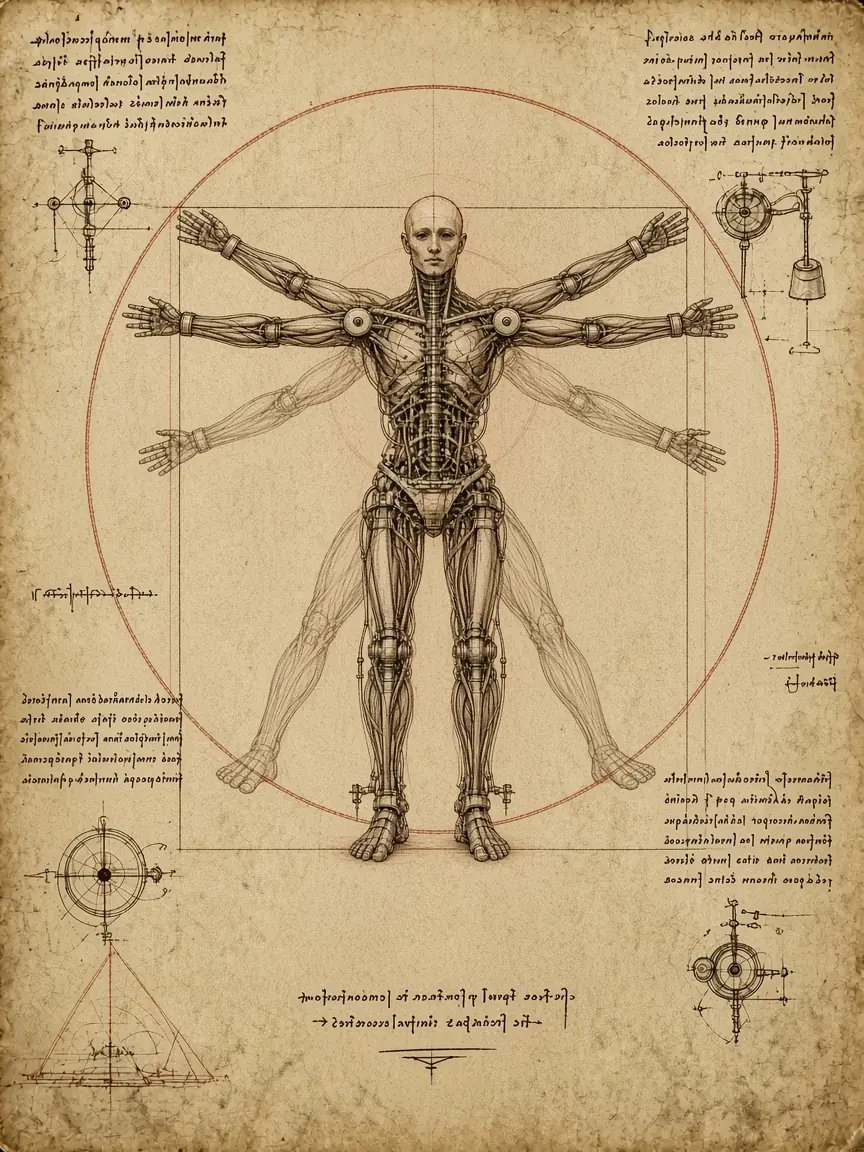
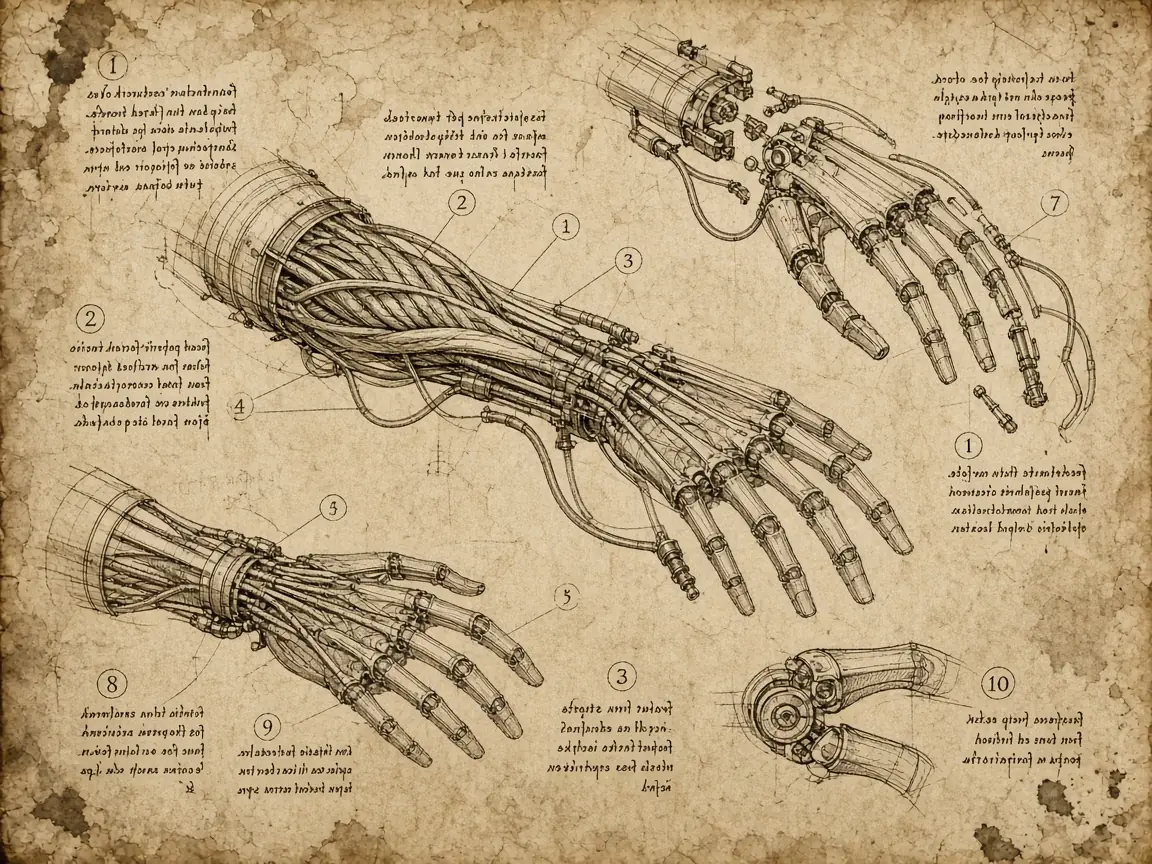
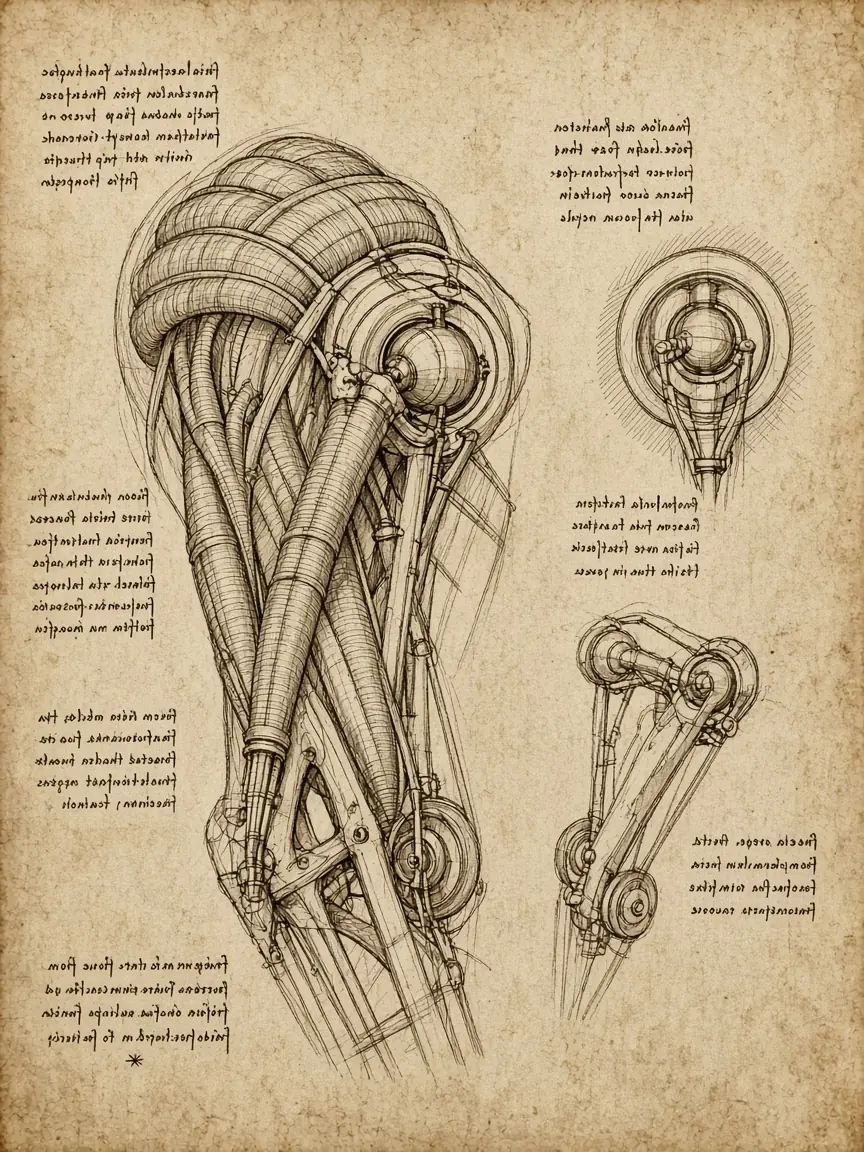
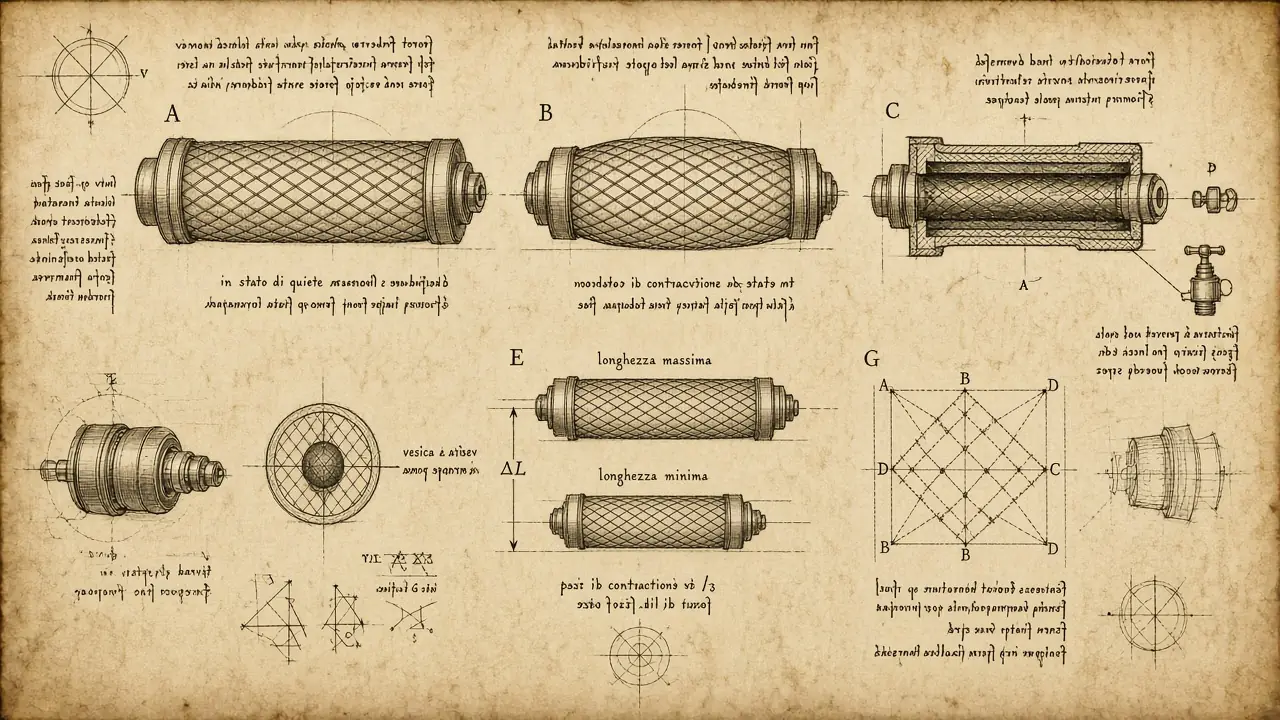
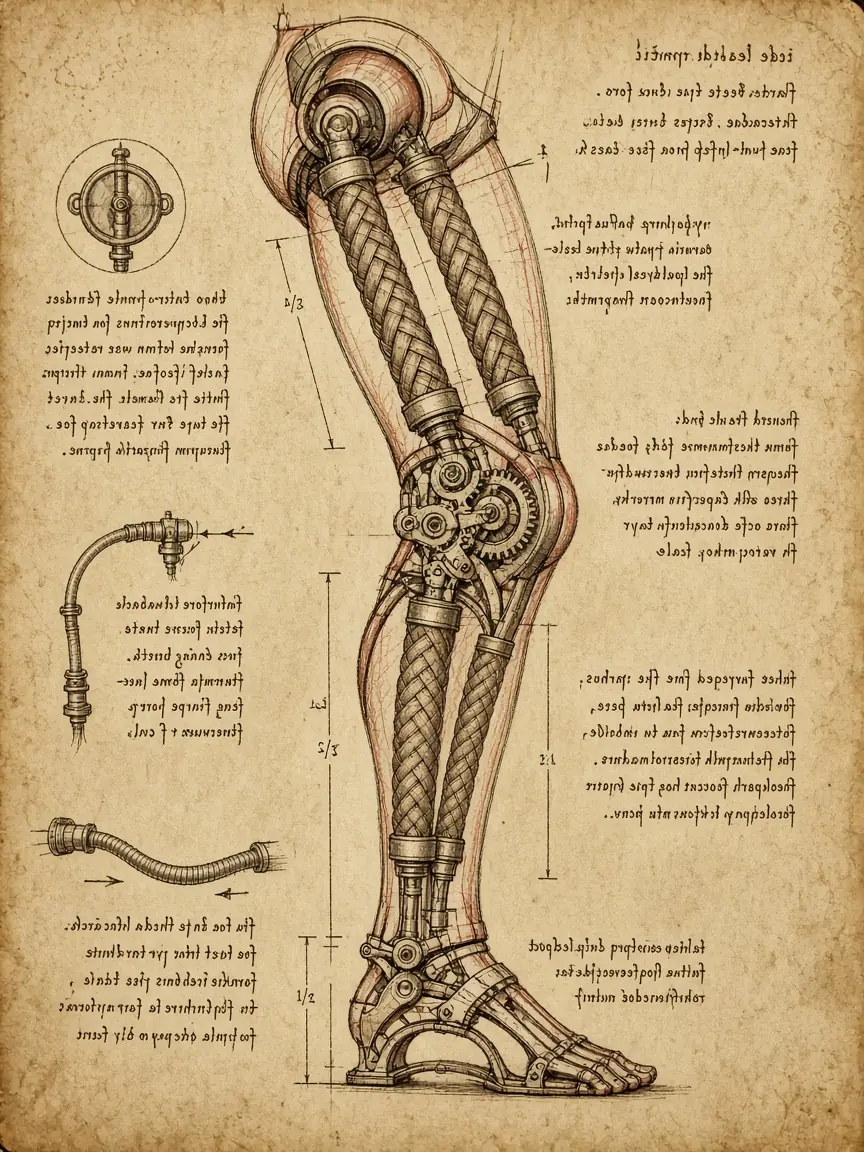
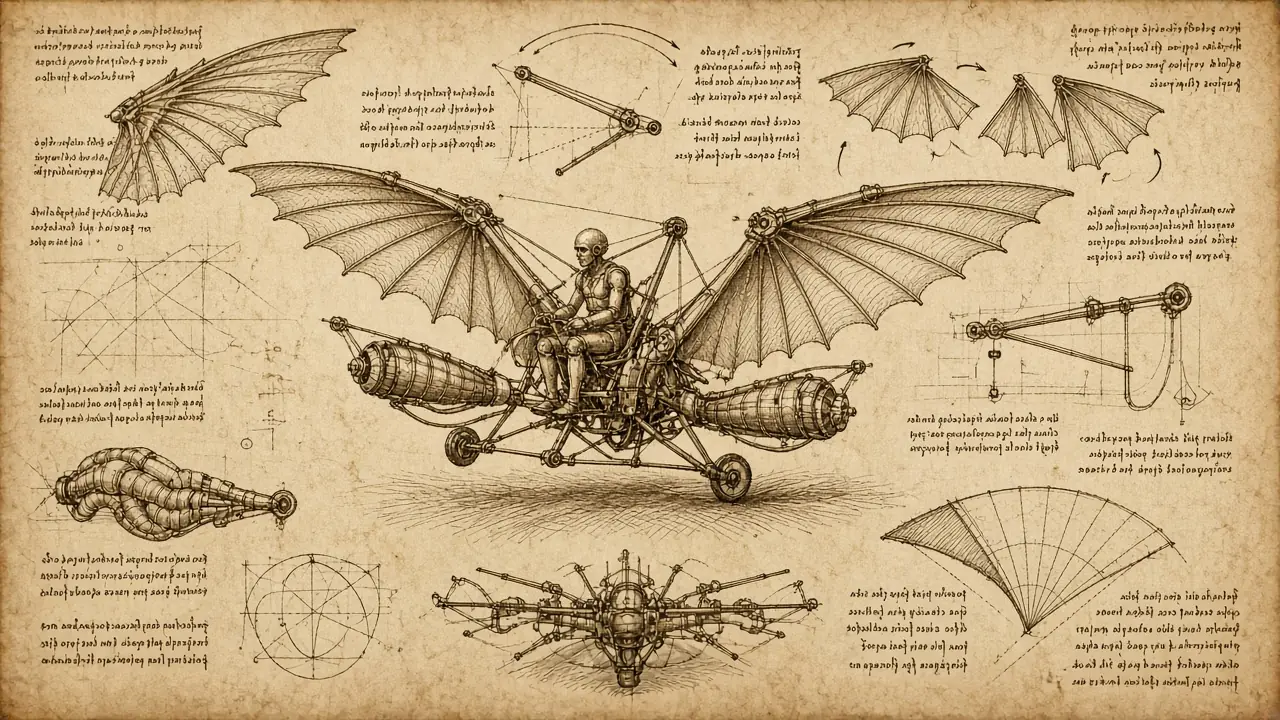
Every animal below moves with muscle pulling on tendon. What changes is the layout. Each one is a test of whether a single artificial muscle can reproduce it.
Biceps and triceps can only pull, so they work against each other. Two PAMs on one joint do the same, and squeezing both at once stiffens the joint.
The muscle that lifts a bird's wing sits below the shoulder. Its tendon runs up through a bony canal and over the joint. Routing lets a muscle sit where its weight is cheapest.
Long elastic tendons store energy on landing and return it on take-off. A PAM in series with a spring could do the same and save air on every hop.
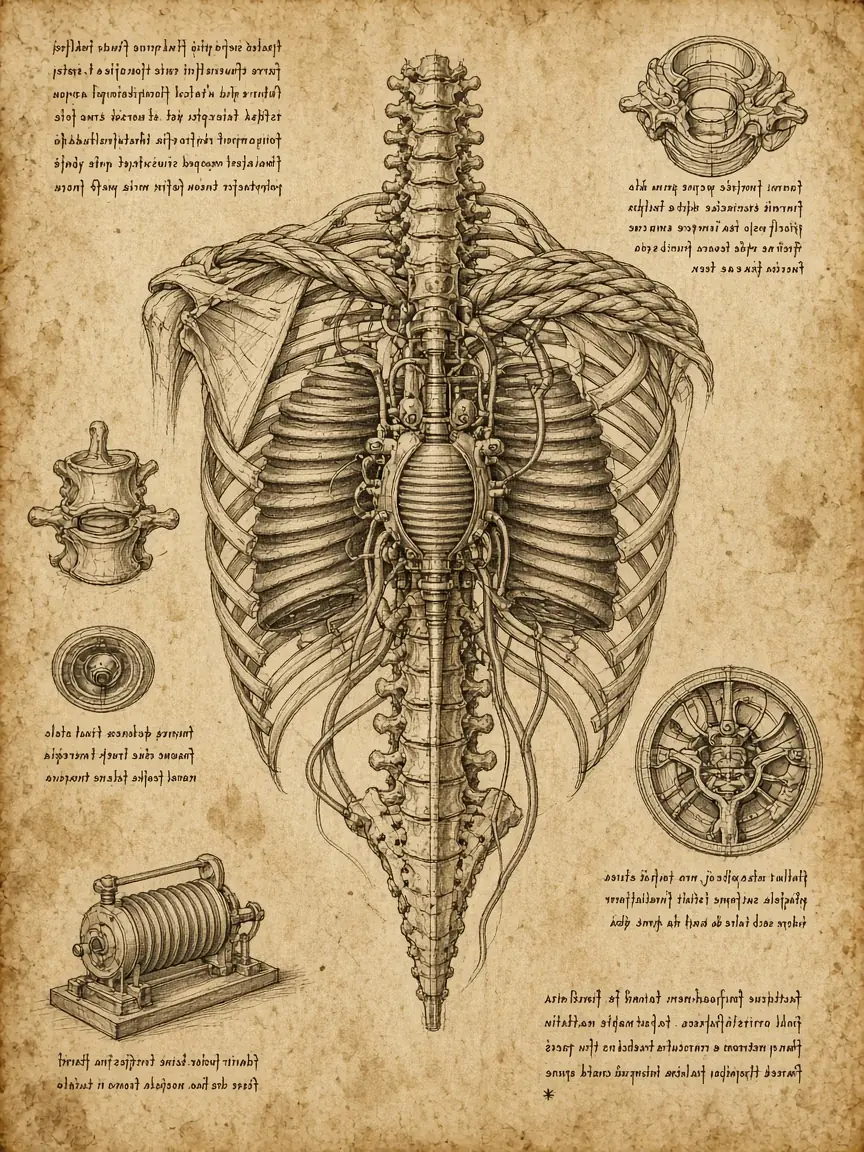
Longitudinal, transverse and oblique muscles squeeze a fixed volume to bend, stretch and twist it. Bundles of PAMs in three orientations could do the same.
McKibben muscles and their descendants: braided sleeves, bladders, valves, and the control problems that come with air.
Motors, gearboxes, roller screws and electrohydraulic muscles. The incumbents, and what their cost curve means for air.
Robots driven by living muscle tissue, and the electrical and optogenetic methods used to tell that tissue when to contract.
How animals are built and how they move: bones, tendons, ligaments and muscle layouts, and the machines that copy them.
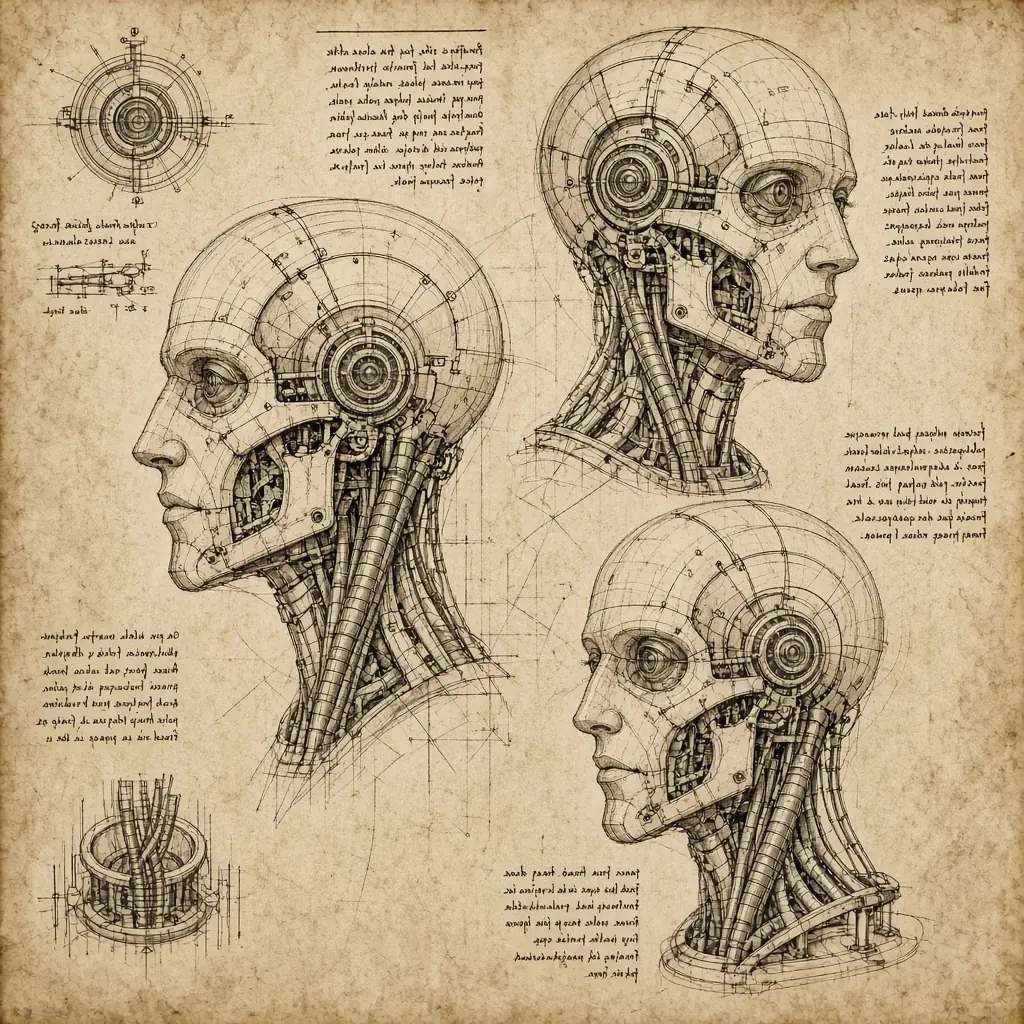
Crocodilian skin domes sense a 0.08 mN touch through armour. Here is what that biology means for robot skin, and what has actually been built.
Standing balance runs on a scattered array of modest skin receptors in the sole and stretch sensors in the ankle muscles, fused by simple addition. A classic humanoid puts one precise force sensor above each foot.
Biohybrid robots are driven by real muscle tissue. Controlling that tissue is mostly a choice between electrodes and optogenetics.
Actuators are most of a humanoid robot's bill of materials. Their cost is precision machining, which falls slowly. Soft actuators move the cost somewhere else.
A new inkjet process lays rigid and rubbery polymers side by side. The follow-up hand swaps its motors for 22 pneumatic artificial muscles.
Lab-grown muscle is weak and fragile where it attaches to a machine. Tough artificial tendons fix part of that.
A rubber tube in a braided sleeve has been lifting loads since the 1950s. Its parts cost little. Everything around it does not.